About
An old house and an ongoing list.
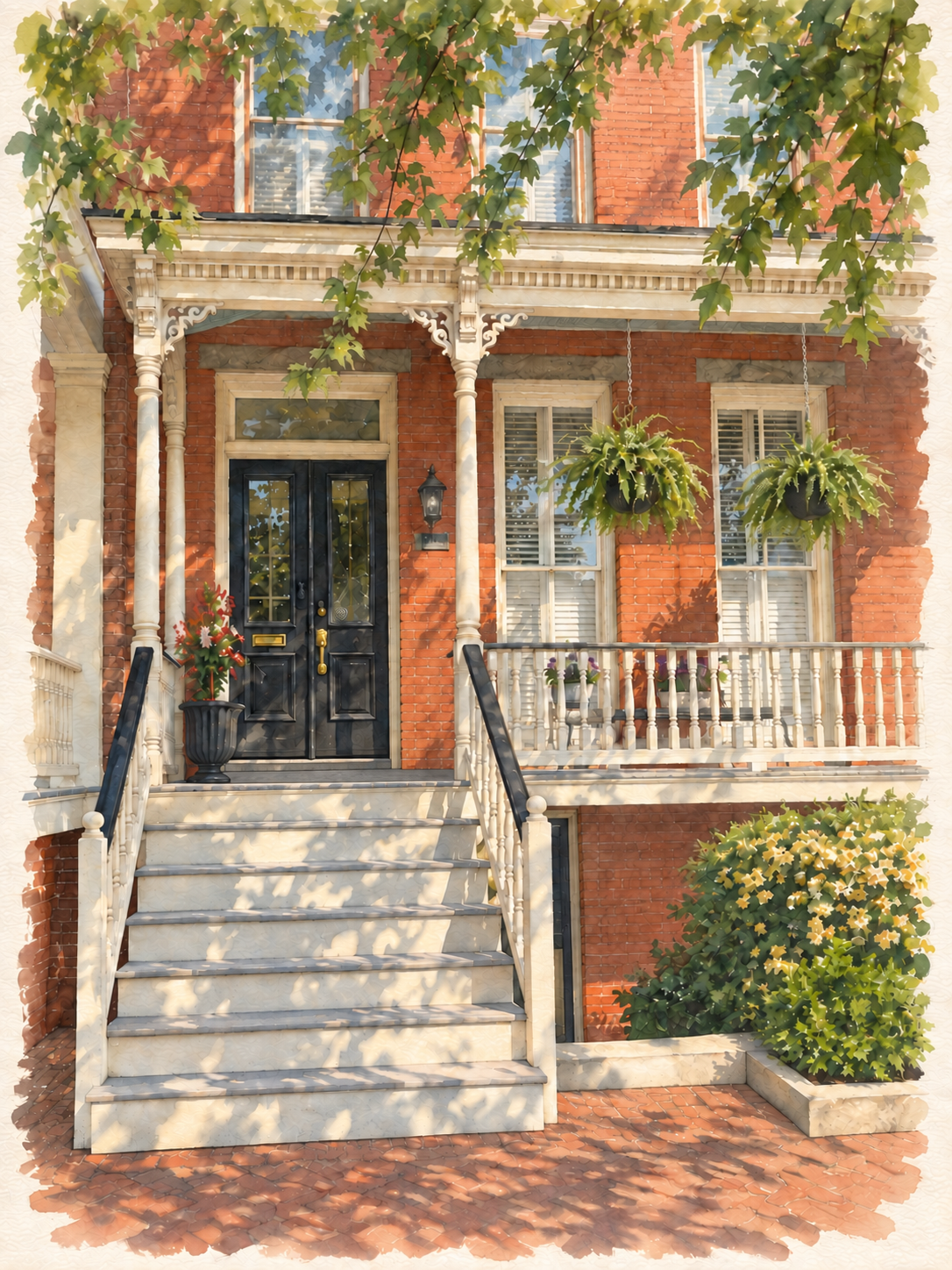
The Victorian Edit is about fixing up our circa-1870 house in Richmond, Virginia.
I’m keeping track of what we changed, what we left alone, what we bought, what we hired out, and what I would absolutely do differently next time.
We do not mysteriously know how to do everything. Some jobs are ours. Some absolutely are not. This is where I keep the details straight.
The house
Part of a much older story.
Our house is one of a mirrored pair built beside a much older Federal home in Church Hill, one of Richmond’s oldest neighborhoods.
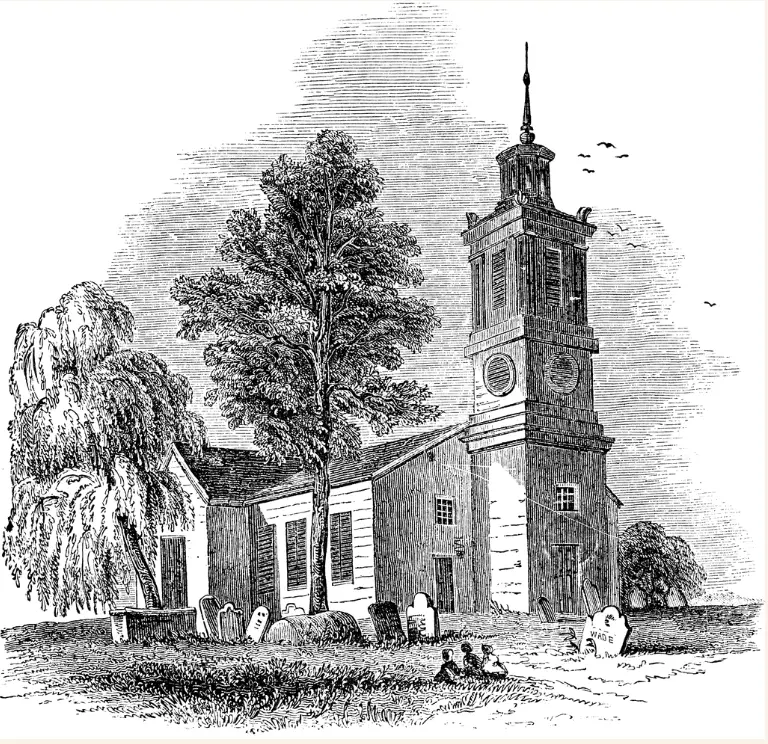
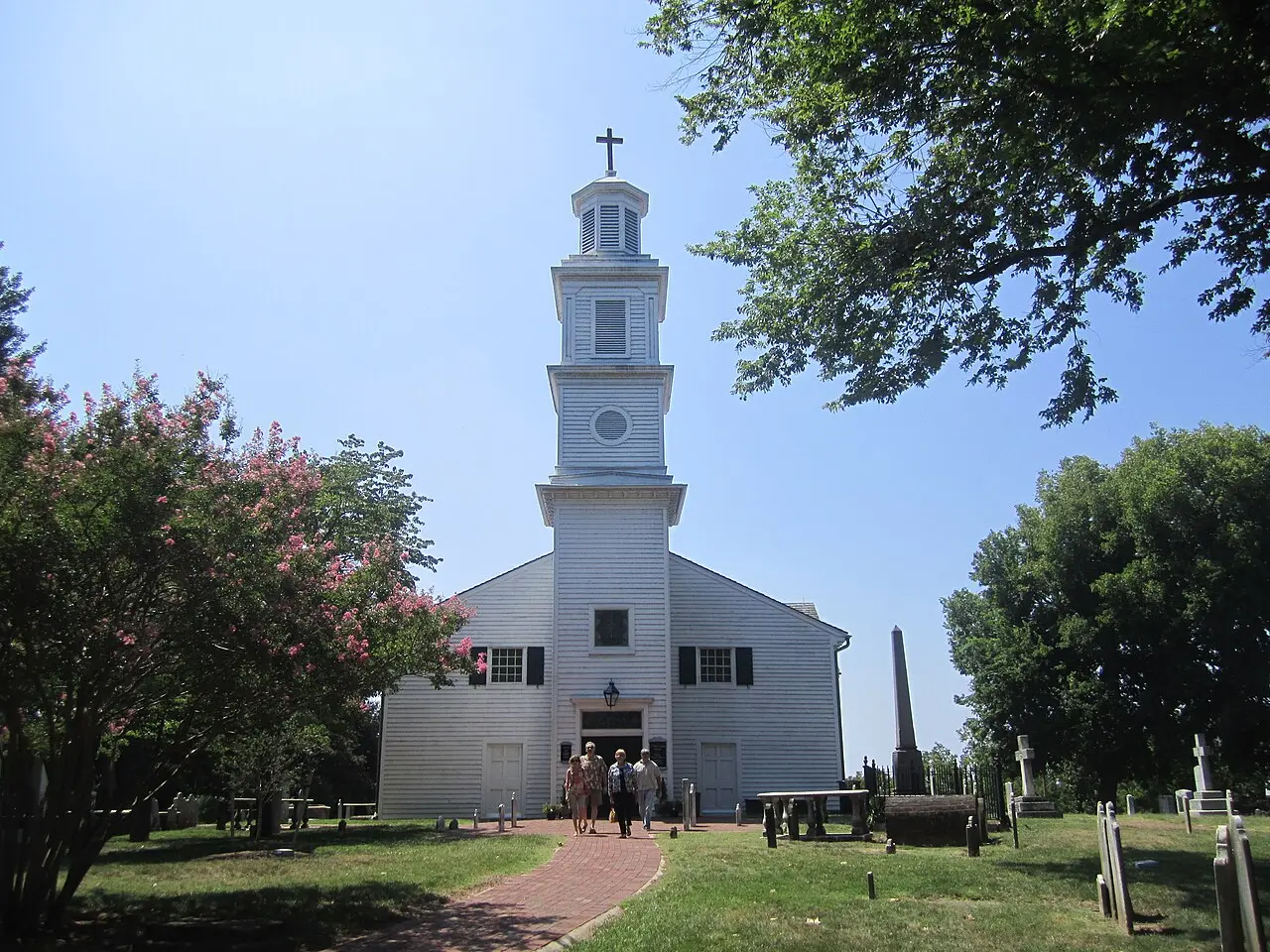
Church Hill takes its name from St. John’s Church, which has stood on the hill since 1741. In March 1775, the Second Virginia Convention met there. It was during that meeting that Patrick Henry delivered the speech ending with the words, “Give me liberty or give me death.”
The house next door dates to about 1813. According to its historical marker, Richard Adams Jr. built the house and sold it to his brother Samuel G. Adams the following year. It later passed through several owners and was remodeled with Greek Revival details during the nineteenth century. More than two hundred years later, it is still standing beside ours.
The story passed down with our house is that the two matching homes were built for two daughters, giving each of them a house of her own while keeping the family together on the same block. I have not found the original deed records to confirm that story yet, but stand across the street and the relationship between the houses is hard to miss. Their façades mirror one another almost exactly.
Our house and its mirror image date to around 1870, five years after Richmond’s evacuation fire.
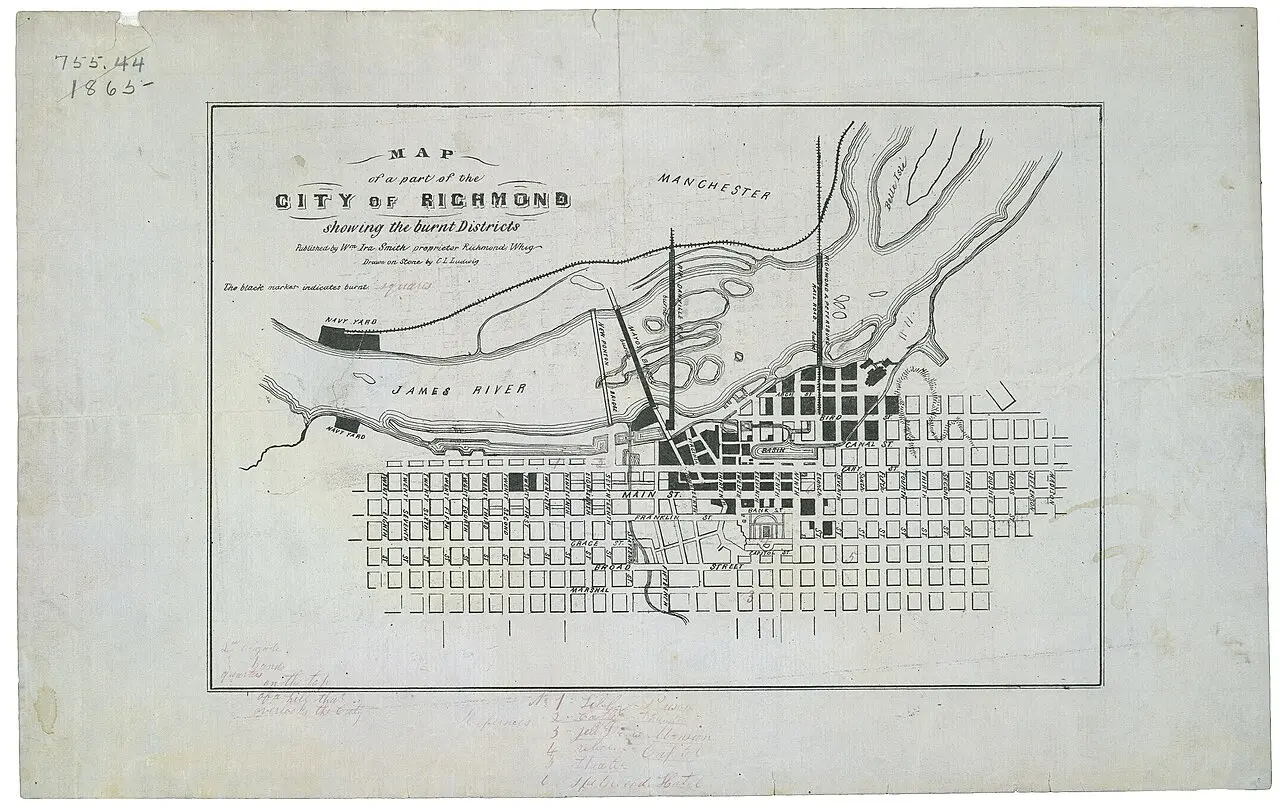
On April 2 and 3, 1865, retreating Confederate forces set fire to tobacco warehouses, bridges, and other supplies to keep them from falling into Union hands. The flames spread through much of Richmond’s commercial district. Church Hill was largely spared, but residents watched the city burn below them as smoke and ash covered the hill.
Elizabeth Van Lew, the Richmond abolitionist and Union spy, watched the destruction from the rear veranda of her Church Hill home. From there, the burning city must have felt impossibly close.
That leaves our block with several periods of Richmond history sitting shoulder to shoulder: an early Federal home, two matching houses built during the city’s postwar rebuilding, and the neighborhood that grew around them.
Still researching
The daughter story is one piece I would especially like to trace through deeds, city directories, and census records. For now, this is the history we know and the story the houses appear to tell.